null
Spicules in K-Beauty: The Tiny "Microneedles" Everyone Is Talking About...

Spicules in K-Beauty: The Tiny "Microneedles" Everyone Is Talking About...

If you've spent more than five minutes on K-Beauty TikTok lately, you've probably seen someone rubbing a cream into their face, wincing slightly and declaring that their skin has never looked better.

The secret is...Spicules!

They're being called natural microneedles, needle creams and even the ingredient that makes skincare work harder. But are spicules really the revolutionary skincare breakthrough they're being marketed as, or just another viral trend?

Here's everything you need to know before you try them!

Wait... What Are Spicules?

Spicules are microscopic, needle-shaped structures most commonly derived from marine sponges. These tiny silica-based structures are incredibly small, but when applied to the skin they create a temporary tingling or prickling sensation.

Think of them as microscopic delivery tools rather than actual needles.

Unlike professional microneedling devices, spicules don't puncture the skin in the same controlled way. Instead, they temporarily interact with the skin's surface, which may help encourage skin renewal and improve the penetration of certain skincare ingredients.

That's why you'll often see products marketed as "needle creams" even though there are no metal needles involved.

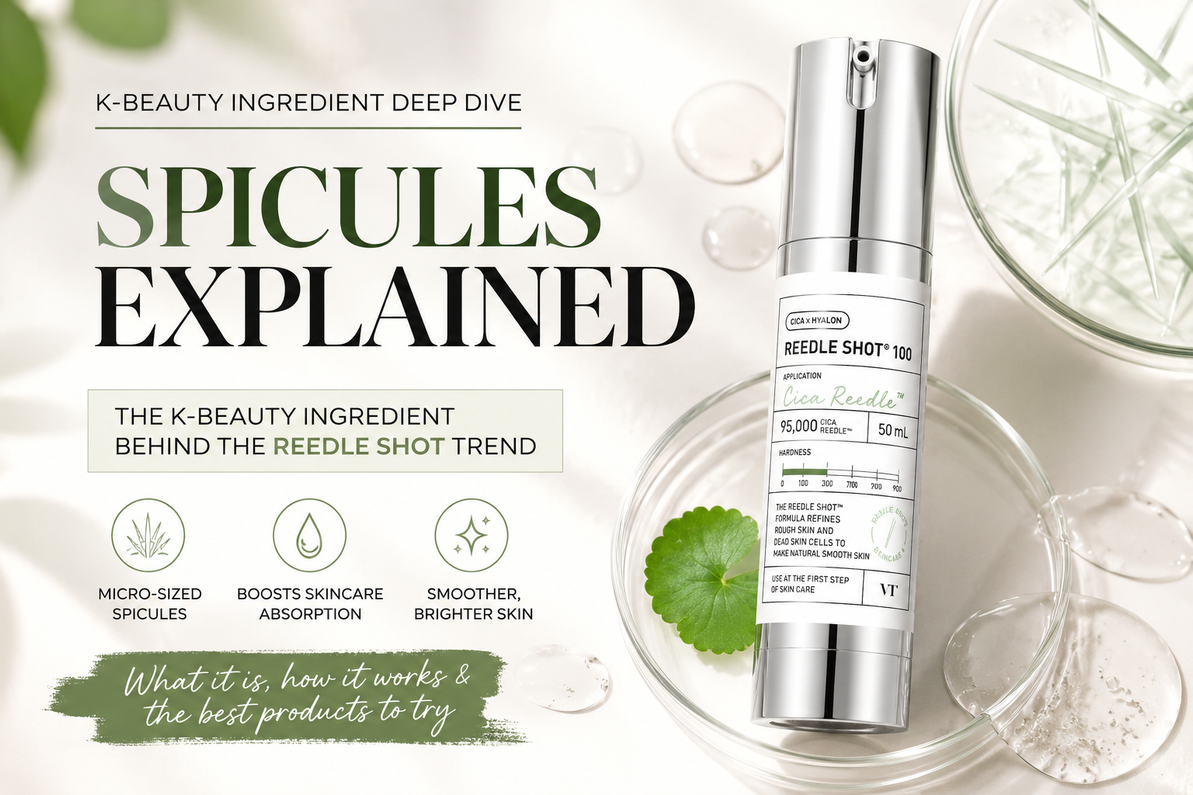
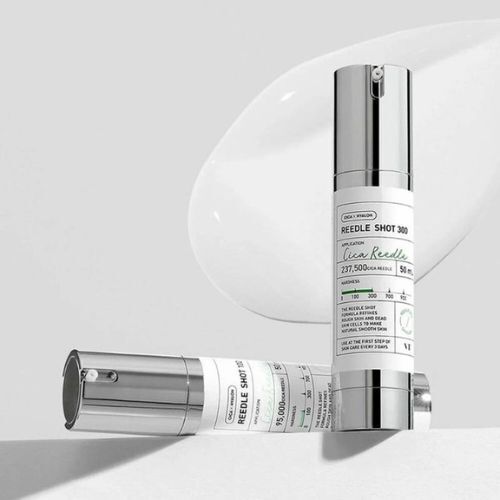
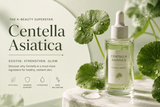
VT Cosmetics Reedle Shot 100 is one of the original and most well-known spicule skincare products in K-Beauty, and it's largely responsible for popularizing the trend globally. It uses VT's proprietary CICA REEDLE™ technology, which consists of micro-sized mineral (silica)-based spicules combined with centella asiatica. The brand describes these spicules as "microneedle-like" particles that help exfoliate the skin's surface and improve the absorption of subsequent skincare products.

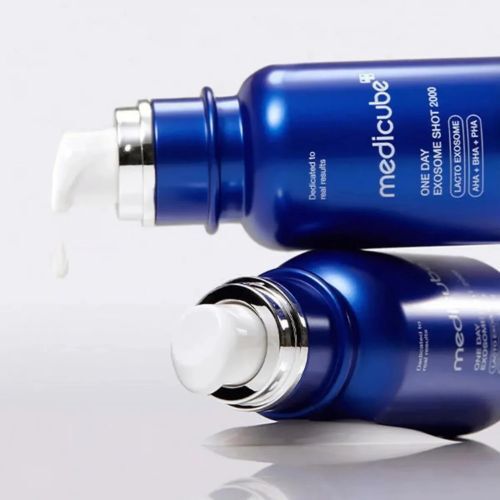
Another popular example is the Medicube One Day Exosome Shot 7500 Ampoule, which combines 7,500ppm of exosome-coated spicules with ingredients like niacinamide, panthenol and adenosine. Rather than relying on spicules alone, the formula is designed so the microscopic sponge-derived spicules help deliver these skin-conditioning ingredients more effectively while targeting uneven texture and enlarged-looking pores. Users can expect a temporary tingling sensation during application, and the brand recommends using the higher-strength 7500 version every three days rather than daily.

Why Is Everyone Suddenly Obsessed?

K-Beauty has always been ahead of the curve when it comes to innovative ingredients.

After snail mucin, PDRN, fermented extracts and exosomes dominated skincare conversations, spicules have become the latest ingredient promising professional-style results at home.

The appeal is obvious:

  • Smoother-looking skin
  • Brighter complexion
  • Better absorption of active ingredients
  • A fresh "post-treatment" glow
  • A treatment that feels more intensive than a standard moisturiser

How Do Spicules Work?

Imagine thousands of microscopic mineral structures resting on the surface of your skin.

As you massage a spicule cream into your face, these tiny structures create a temporary physical stimulation that can encourage the skin's natural renewal processes.

At the same time, many brands formulate spicule products alongside ingredients like:

  • Hyaluronic acid
  • Centella asiatica
  • Peptides
  • Niacinamide
  • Ceramides
  • Growth factor-inspired ingredients

The theory is that spicules help these ingredients interact more effectively with the skin.

While there is emerging research around sponge spicules as topical delivery systems, much of the dramatic marketing claims still need stronger independent clinical evidence.

Do Spicules Actually Work?

Here's where things get interesting.

Users commonly report:

  • Softer skin after a few uses
  • Improved skin texture
  • Brighter-looking complexion
  • Reduced appearance of rough patches
  • Skin feeling smoother the following morning

However, it's important to separate marketing from evidence.

Current research suggests spicules may:

  • Support exfoliation
  • Promote skin turnover
  • Enhance topical ingredient delivery

But they are not the same as professional microneedling, and they shouldn't be expected to produce comparable collagen-remodeling results.

The biggest improvements often come from the overall formula, not the spicules alone.

Why Do They Feel Like Tiny Needles?

Because...they kind of do.

That prickly sensation comes from the microscopic shape of the spicules interacting with the outermost layer of skin.

Depending on the concentration, you may feel:

  • Mild tingling
  • A sandpaper-like texture
  • Tiny pinpricks
  • Slight warmth

The sensation usually fades within a few hours.

If it feels intensely painful or leaves prolonged irritation, the product may not be suitable for your skin.

Who Should Try Spicules?

You might enjoy spicule skincare if you have:

  • Dull skin
  • Rough texture
  • Mild acne scarring
  • Enlarged-looking pores
  • Skin that feels congested

They can be a fun addition if you're looking for a treatment product rather than another basic moisturiser.

Who Should Avoid Them?

Spicules aren't for everyone.

Skip them if you have:

  • An impaired skin barrier
  • Active eczema
  • Rosacea flare-ups
  • Sunburn
  • Open wounds
  • Extremely sensitive skin

If your skin already struggles with strong acids or retinoids, introducing spicules slowly is especially important.

Can You Use Retinol or Acids With Spicules?

Proceed with caution.

Because spicules may increase skin sensitivity, layering them with potent actives on the same night can increase the risk of irritation.

Many dermatology-minded skincare routines recommend using spicule treatments on separate evenings from:

  • Retinoids
  • High-strength AHAs
  • BHAs
  • Benzoyl peroxide
  • Strong vitamin C (L-ascorbic acid)

Keeping your routine simple on "spicule nights" is often the safest approach.

Using spicule creams every night immediately or scrubbing them aggressively into the skin can overwhelm your skin barrier.

Instead:

  1. Start once weekly.
  2. Follow with a gentle moisturizer.
  3. Wear sunscreen daily.
  4. Increase frequency only if your skin tolerates it.

Are Spicules Safe?

For most healthy skin types, reputable spicule skincare products appear to be well tolerated when used as directed.

Temporary redness and tingling are common and expected.

However, anyone with chronic skin conditions or highly reactive skin should patch test first and consider consulting a dermatologist before adding them to their routine.

Are Spicules Worth the Hype?

Spicules are definitely one of the most exciting trends to emerge from K-Beauty, but they're not magic.

They won't replace professional treatments, erase deep wrinkles overnight or transform your skin after one application.

What they can do is provide a unique sensory experience, gently support skin renewal, and complement well-formulated skincare products that target texture and radiance.

Like many viral skincare trends, the best results come from realistic expectations, a healthy skin barrier, and a consistent routine. 

29th Jun 2026

Recent Posts

Join Our Community Today

Subscribe for Exclusive Offers

Your subscriber exclusives:

  • Monthly Insider Promotions
  • Exclusive Subscriber-Only Offers
  • Early Access to Selected Launches
  • Beauty Tips and Product Updates